Contraceptive Methods You Should Never Mix

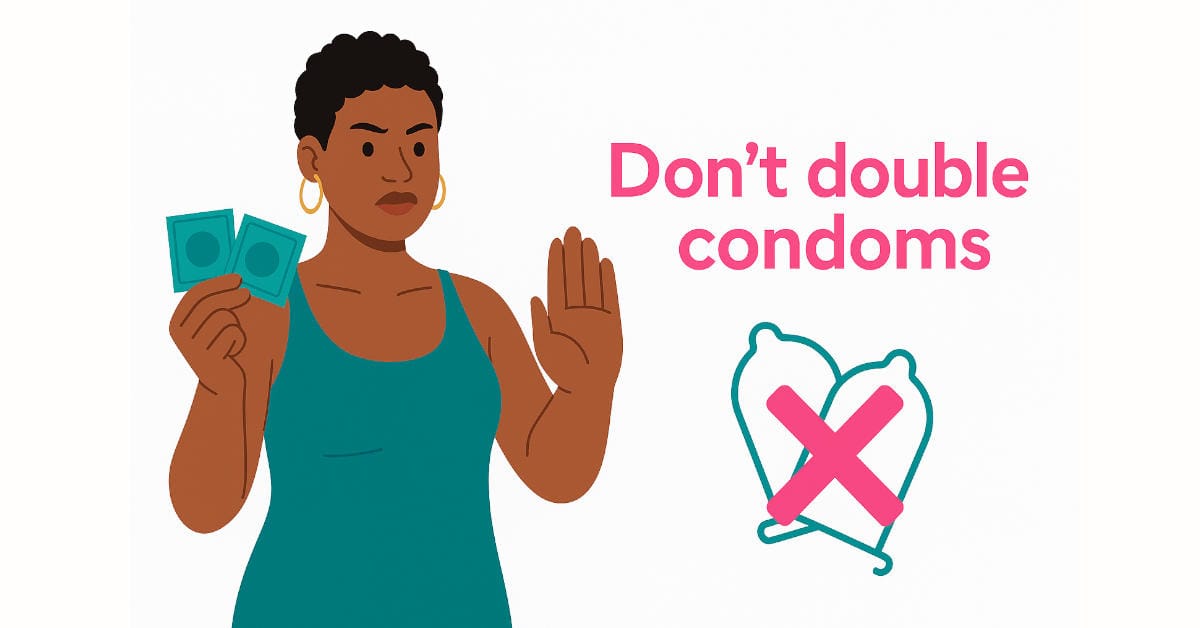
Illustration of a woman holding two condoms and raising a stop hand with the headline “Don’t double condoms”.

Some contraceptive pairs can reduce protection or add risk. If you want to use two methods at the same time, it is usually safest to choose options that complement each other. The combinations below are ones that guidelines generally advise against, together with alternatives you can discuss with a clinician. Pairs you usually should not … Read more

Advanced Pregnancy Chance Calculator

Curious how your lifestyle and health affect your odds? This advanced calculator lets you add details like age, BMI, and more for a more detailed pregnancy chance estimate. Intercourse times ? Count any events you want to estimate for, regardless of time period. Female age ? Enter the age in completed years of the person … Read more

Combine Contraceptive Methods Calculator

Method One Male CondomCombined pill (the pill)Withdrawal methodHormonal IUDCopper T IUDFemale sterilizationMale sterilizationContraceptive patch (the patch)MPA/DMPA shotProgestin-only pillVaginal ring (the ring)Contraceptive implant (the rod)Symptothermal methodOvulation methodTwoDay methodStandard Days methodSpermicides (most types)Female CondomDiaphragm (with spermicides)Parous Sponge (female)Nulliparous Sponge (female)Lactational Amenorrhea Method Use Quality TypicalPerfect Method Two (Optional) NoneMale CondomCombined pill (the pill)Withdrawal methodHormonal IUDCopper T IUDFemale … Read more

Top Contraceptive Method Combinations for Maximum Protection

Illustration of a woman gesturing to a shield with a plus sign and check marks; headline reads “Best pairings”.

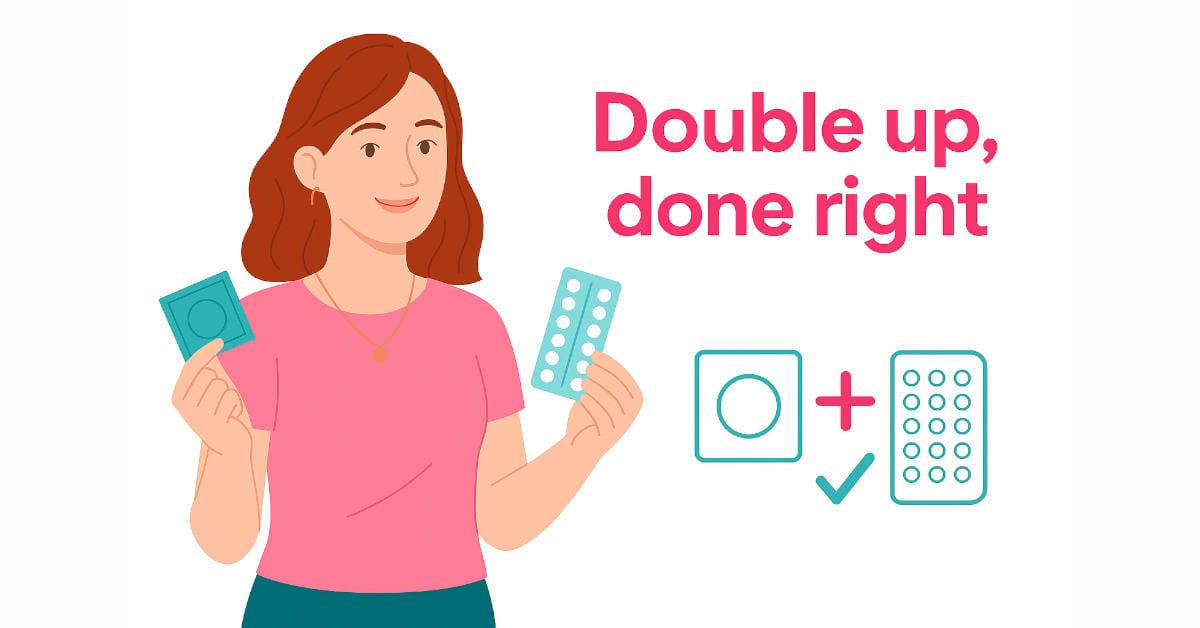
Some people choose to use more than one birth control method at the same time. This page summarises combinations that expert guidance from organisations such as the CDC and WHO generally considers reasonable for lowering pregnancy risk, while keeping STI protection in mind. The best combination for you depends on your health history, medicines, and … Read more

Fertility Calculator by Age

Enter your age and optional partner or lifestyle details to estimate age-based pregnancy chances, rough time-to-pregnancy, and fertility-treatment outlooks. This is a planning estimate, not a diagnosis. It cannot measure ovulation, egg quality, sperm factors, tubal factors, or your medical history. Peer-Reviewed Science Updated Jul 2026 See Methodology Did we solve your problem today? 👍Yes … Read more

Contraceptive Risk Calculator

Trying to understand pregnancy risk while using contraception? Get a quick baseline estimate from your method and use pattern. Had a tubal ligation? Check the tubal ligation failure risk for yearly and lifetime odds. Peer-Reviewed Science Updated Dec 2025 See Methodology Did we solve your problem today? 👍Yes 👎No ✕ Sorry to hear! What went … Read more

Birth Control & Fertility

Updated: 22 Nov 2025 This page explains how different birth control methods change pregnancy chance and how perfect use compares to typical use in real life. If you want to explore example numbers, you can use tools such as the Condom Risk Calculator, the Pill Risk Calculator, the Combine Methods Calculator or the Advanced Pregnancy … Read more

Fertility Conditions and Disorders: Understanding the Health Issues That Affect Pregnancy Chances

Some health conditions make ovulation less predictable, affect egg quality, or alter implantation. This page gives an overview of common issues such as PCOS, endometriosis and thyroid disorders, and how they might change your chances of pregnancy. If you want to see rough numbers while you read, you can use tools like the Advanced Pregnancy … Read more